

Demolition Versus Renovation Decision Made Clear
November 12, 2026
Stone Walkway Design That Looks Built to Last
November 16, 2026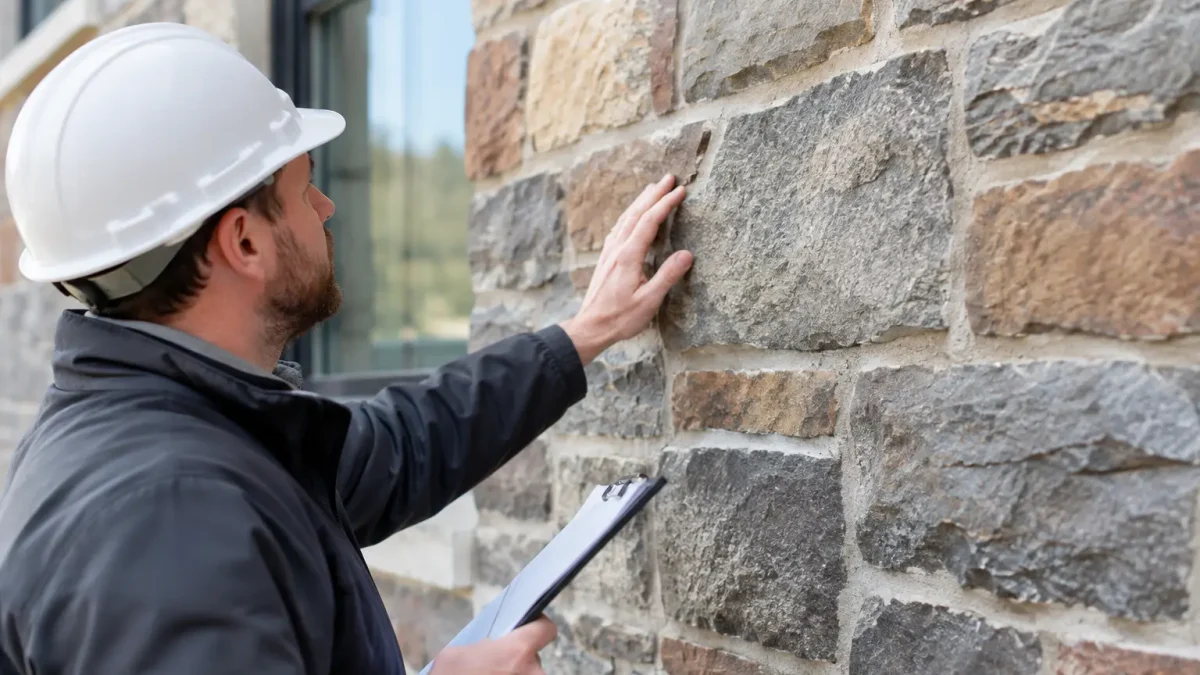
Brick, stone, and block bring lasting character to a property, but they are not maintenance-free. A practical masonry maintenance guide helps homeowners and property managers catch small problems before water, weather, and movement turn them into costly repairs. For properties across the Main Line and surrounding Pennsylvania communities, consistent care is one of the best ways to protect exterior masonry from freeze-thaw cycles, heavy rain, and seasonal temperature swings.
The goal is not to constantly repair your masonry. It is to recognize what normal aging looks like, understand when a condition needs attention, and make repairs with materials that work with the original construction. Quality masonry is built to last. Proper maintenance helps it do exactly that.
Start With a Seasonal Masonry Inspection
A close inspection in spring and fall gives you a reliable picture of your masonry’s condition. Walk around the property in daylight and look at walls from both up close and at a distance. From farther away, uneven lines, bulging sections, or discoloration are often easier to see. Up close, you can check joints, individual units, caps, steps, and areas around windows, doors, and downspouts.
Pay particular attention to places where water lands, collects, or is directed against the building. Masonry can handle weather, but repeated saturation is a different issue. Water that enters through failed mortar, damaged flashing, clogged gutters, or poor grading can lead to cracking, spalling, staining, and loose brick or stone over time.
A seasonal check should cover these four areas:
- Mortar joints that are recessed, crumbling, cracked, or missing
- Brick or stone faces that are flaking, chipping, splitting, or loose
- Cracks around openings, corners, steps, retaining walls, and chimney areas
- Drainage concerns, including overflowing gutters, downspouts, standing water, and soil sloping toward masonry
Take clear photos when you find a concern. A photo record makes it easier to see whether a crack or stain is stable or getting worse over several months.
Understand What Cracks Are Telling You
Not every crack means a structural emergency. Small hairline cracks can develop from normal settling, minor movement, or changes in temperature. Still, they deserve attention because they can allow water into the wall or behind the masonry face.
The location, width, and direction of a crack matter. A single tight crack in a mortar joint may be a straightforward repair. A stair-step crack following mortar joints in a brick wall can point to movement that should be professionally evaluated. Cracks that widen, return after repair, run through individual bricks or stones, or appear alongside leaning or bulging are stronger warning signs.
For masonry steps, retaining walls, and freestanding features, movement is especially important. These elements are exposed to moisture at the base and pressure from surrounding soil. If steps shift, wall caps separate, or a retaining wall begins to lean, waiting often increases the scope of the repair.
Keep Water Moving Away From Masonry
The most valuable part of any masonry maintenance guide is often the least complicated: manage water. Many masonry problems begin above or below the wall rather than in the brick or stone itself.
Keep gutters clean and make sure downspouts discharge away from foundations, walkways, steps, and masonry walls. Check that splash blocks or extensions are positioned correctly. If roof runoff repeatedly strikes one area of a wall, staining and deterioration can follow even when the masonry was installed properly.
Ground conditions matter too. Soil and mulch should not be piled against brick or stone siding. This can hold moisture against the wall, hide developing damage, and create a pathway for water to move where it does not belong. Maintain visible clearance between grade and masonry whenever possible, and correct areas where landscaping directs water toward the structure.
On patios, walkways, and outdoor steps, watch for low spots where water stands after rain. Surface drainage can affect more than appearance. In winter, standing water freezes, expands, and adds stress to joints and surfaces. Addressing drainage early protects both the masonry and the surrounding concrete or hardscape.
Clean Gently and Skip Shortcuts
Masonry cleaning should improve the appearance of a surface without damaging it. Start with the least aggressive method: a soft-bristle brush, clean water, and a masonry-appropriate cleaner if needed. Test any product in a small, inconspicuous area first, especially on natural stone.
Avoid harsh acids, wire brushes, and high-pressure washing on older brick, soft stone, or deteriorating mortar. These methods can remove the protective outer face of brick, open up pores in stone, and erode mortar joints. A wall may look cleaner for a short time, but it can become more vulnerable to moisture afterward.
White powdery residue, called efflorescence, is another common concern. It forms when moisture carries salts to the surface and then evaporates. Light efflorescence can often be brushed away once the surface is dry. If it keeps returning, the real question is where the moisture is coming from. Cleaning the residue without resolving the water source only treats the symptom.
Repair Mortar With the Right Material
Mortar is not just filler between bricks or stones. It plays an active role in how a masonry wall handles movement and moisture. When mortar joints fail, repointing can restore strength, improve weather resistance, and preserve the appearance of the wall.
The right repair depends on the age and type of masonry. Older brick often requires a softer, more compatible mortar than modern construction. Using mortar that is too hard can cause the brick itself to crack or deteriorate because moisture and movement are forced into the masonry units instead of the joint.
A proper repointing repair removes failed mortar to an appropriate depth, cleans the joint, and installs new mortar that matches the existing color, texture, and performance needs. Smearing new mortar over damaged joints may look like a quick fix, but it rarely lasts and can leave the original problem underneath.
Matching matters on visible front elevations, garden walls, chimneys, and historic-style properties. Skilled masonry work should protect the structure while respecting the details that give the property its character.
Know When to Call a Masonry Professional
Homeowners can handle basic cleaning, gutter care, and regular visual inspections. Repairs involving loose masonry, recurring water intrusion, significant cracking, chimney work, wall movement, or failing steps are best assessed by an experienced masonry contractor.
Professional evaluation is particularly valuable when the cause is unclear. A cracked joint might need repointing, but it could also be connected to drainage, a shifting base, missing flashing, or movement around an opening. Repairing only the visible crack without identifying the cause can lead to repeat work.
For commercial properties and multi-unit buildings, planned inspections can help property managers budget for repairs before conditions affect tenant safety, curb appeal, or building operations. Small maintenance projects are often easier to schedule and less disruptive than urgent repairs after a harsh winter.
Protect the Work After Repairs
Once repairs are complete, keep an eye on the surrounding conditions. Confirm that gutters and downspouts are doing their job, avoid storing heavy materials against walls, and do not use deicing salts near masonry steps or walkways unless the product is approved for the surface. Some deicers can contribute to scaling and surface damage, especially where moisture is already present.
Sealers can be useful in certain situations, but they are not a universal answer. The wrong product can trap moisture inside masonry and create new problems. If a water-repellent treatment is being considered, the masonry must be clean, sound, and dry, and the product should be compatible with the specific brick or stone.
At Provato Concrete and Masonry and Grindin LLC, we believe the best repairs begin with a clear look at the condition of the property and the source of the problem. If you have noticed loose brick, failing mortar, cracks, or water-related damage, schedule an online estimate before a small concern has another season to grow.