
Demolition vs Deconstruction Costs Explained
October 19, 2026
7 Best Masonry Upgrades for Curb Appeal
October 23, 2026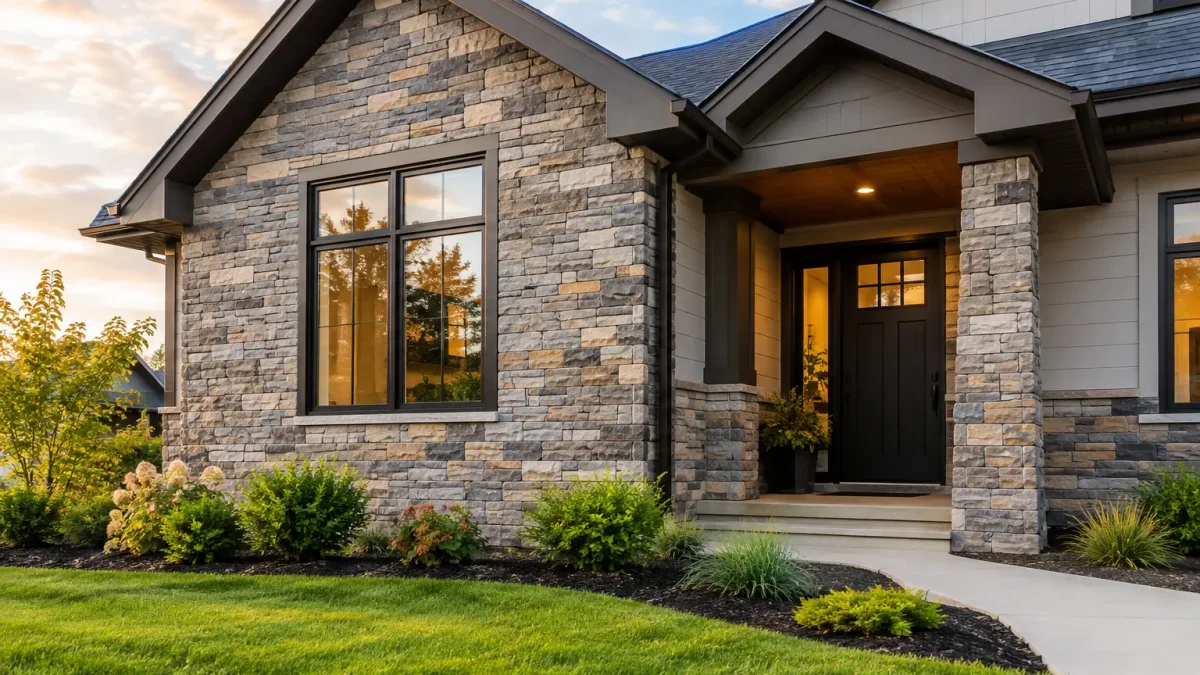
A plain foundation wall, dated fireplace, or weathered entry can make an otherwise well-kept property feel unfinished. The right stone finish changes that impression quickly. Among the most practical stone veneer benefits are its ability to add authentic character, protect key exterior surfaces, and create a high-end look without requiring full-depth structural stone construction.
For homeowners and property owners throughout the Main Line and surrounding Pennsylvania communities, stone veneer can be a smart improvement when it is selected for the space and installed over a properly prepared surface. It works beautifully on both traditional homes and clean-lined newer construction, but the finished result depends on more than choosing a color from a sample board. Material quality, layout, drainage, flashing, and skilled installation all matter.
Stone Veneer Benefits That Make a Real Difference
Stone veneer is a facing material designed to create the appearance of natural stone on walls, foundations, columns, fireplaces, and exterior features. It may be thin natural stone or a manufactured stone product. Both can deliver an attractive result, though they differ in color variation, weight, price, and long-term appearance.
The first benefit is visual impact. Stone adds depth, texture, and a sense of permanence that siding, plain concrete, and painted block often cannot match. Used at a front entry, on porch columns, around a garage, or along a foundation, it gives the home a more finished and grounded appearance. A commercial property can use veneer in the same way to create a more polished first impression at entrances, monument signs, and outdoor gathering areas.
Stone veneer also offers design flexibility. A homeowner may prefer the warm, irregular look of fieldstone, the crisp lines of ledgestone, or the refined character of cut stone. Colors can coordinate with brick, stucco, siding, roofing, and existing hardscaping rather than compete with them. Because veneer is available in many profiles and tones, it can support a subtle update or become the main architectural feature of the exterior.
Another major advantage is that veneer allows the look of stone in locations where full-bed stone may not be practical. Full-depth stone is heavy and typically requires structural support. Veneer is thinner and lighter, making it suitable for many vertical surfaces when the wall assembly is properly evaluated and prepared. This opens more options for renovations, additions, fireplace surrounds, outdoor kitchens, and accent walls.
A Strong Return in First Impressions
Curb appeal is not only about resale. It affects how you feel pulling into your driveway, welcoming guests, or arriving at your business each morning. Stone veneer gives high-visibility areas a durable, intentional finish. A modest foundation refacing or front-entry upgrade can make the whole property look more established.
For owners considering a sale, rental, or commercial lease, exterior condition sends a message before anyone walks through the door. Well-designed masonry details suggest care, quality, and long-term maintenance. Veneer alone will not solve larger property issues, but it can be a valuable part of a coordinated exterior improvement plan.
Durability Depends on the Work Behind the Stone
Stone veneer is often described as low maintenance, and that is generally true when it is installed correctly. It does not need frequent painting, and its color and texture hold up well compared with many painted exterior finishes. But it is not a finish that should be applied casually over an uncertain surface.
The wall behind the veneer must be sound. Exterior installations need the correct moisture-management details, including a weather-resistant barrier, proper flashing, drainage plane, and compatible lath or bonding system where required. Water that gets behind veneer must have a way to drain out rather than remain trapped against the wall. These details are especially important in Southeastern Pennsylvania, where freeze-thaw cycles, rain, and changing temperatures put exterior materials to the test.
The mortar work matters just as much. Properly mixed and applied mortar, secure placement, clean joints, and careful transitions around windows, doors, and caps help the installation perform as intended. A beautiful stone pattern cannot compensate for weak preparation. That is why experienced masonry craftsmanship is an investment in the life of the project, not simply its appearance on installation day.
Less Upkeep Than Many Exterior Finishes
Most stone veneer needs only occasional inspection and gentle cleaning. Dirt, pollen, and surface buildup can usually be handled with low-pressure water and an appropriate cleaner. Avoid harsh acids, aggressive pressure washing, or methods that can damage mortar joints and the veneer surface.
It is wise to inspect exterior stone after severe weather and at least once each year. Look for cracked mortar, loose pieces, failed sealant at transitions, or signs that water is entering from above. Catching a small flashing or joint issue early is far easier than waiting for moisture to affect the wall system behind the stone.
Not every veneer installation needs sealer. Some products and locations may benefit from a breathable masonry sealer, particularly in areas exposed to splash, staining, or repeated moisture. The right choice depends on the material and conditions. Applying the wrong coating can trap moisture, alter the appearance, or create maintenance problems later.
Where Stone Veneer Works Best
Stone veneer is most effective when it is used with purpose. Covering every exterior wall is rarely necessary. Focused applications often deliver a stronger result and better value. A front foundation wall, covered porch, chimney surround, entry columns, or outdoor fireplace can add enough stone detail to transform the property without overwhelming its architecture.
On a patio or outdoor living area, veneer can provide a finished face for seating walls, kitchen islands, grill surrounds, and retaining features. It pairs naturally with concrete patios, walkways, steps, and natural stone accents. The key is to coordinate the materials early. The color of the stone, the concrete finish, the joint style, and the cap material should look like parts of one design rather than separate projects completed years apart.
Inside the home, stone veneer remains a popular choice for fireplace surrounds, feature walls, basement bars, and entry accents. Interior installations have different moisture considerations than exterior walls, but substrate preparation and layout still matter. A balanced pattern, consistent joint treatment, and clean edges separate a professional finish from a rushed one.
Choosing the Right Stone and Scope
The best stone veneer is not always the most expensive product or the boldest profile. Start with the architecture of the building and the surrounding materials. A historic-style home may suit a natural, irregular profile with warmer tones. A contemporary property may look better with linear stone and tighter joints. Sample boards should be viewed outside at different times of day, because sunlight can change how undertones appear.
Budget should include more than the veneer itself. Preparation, waterproofing details, trim work, caps, labor, and repairs to the existing wall can all affect the final cost. This is where a clear project scope is valuable. A professional estimate should explain what surfaces are being covered, how transitions will be finished, and whether any wall repairs are needed before installation begins.
There are trade-offs between manufactured and natural thin stone. Manufactured veneer can offer consistent shapes, predictable colors, and a wide range of styles. Natural thin stone provides genuine geological variation and a distinct texture that many owners value. Either can be an excellent choice when the product fits the design and the installation is completed correctly.
Plan for Craftsmanship, Not Just Coverage
Good stonework has a rhythm. Installers should blend pieces from multiple boxes or pallets, vary sizes appropriately, avoid obvious repeating patterns, and place corners and cuts thoughtfully. The goal is a wall that looks intentional from a few feet away and convincing from across the yard.
Provato Concrete and Masonry and Grindin LLC approaches stone and masonry projects with the same focus applied to every exterior improvement: solid preparation, careful workmanship, clear communication, and a finished result built to last. Whether the goal is a refined entry, a more inviting patio feature, or an updated foundation appearance, the right plan can make the investment feel right for the property.
Stone veneer should complement a building, not simply cover it. Choose a design that fits the home, insist on the preparation the installation requires, and schedule an estimate when you are ready to turn an unfinished-looking surface into a lasting point of pride.