

Stone Walkway Design That Looks Built to Last
November 16, 2026
12 Entryway Stonework Ideas for Lasting Curb Appeal
November 20, 2026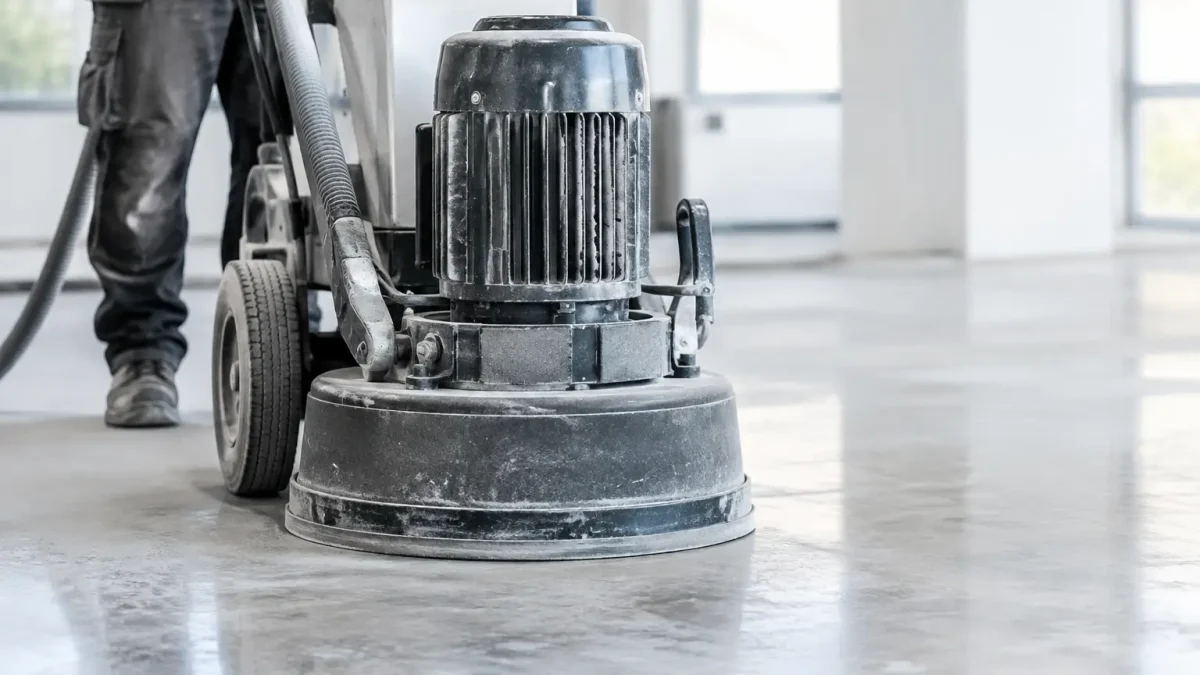
A concrete floor, sidewalk, driveway, or patio does not have to be badly cracked to create a problem. A raised edge can become a trip hazard. An uneven slab can interfere with flooring installation. Old adhesive, paint, or a weak surface layer can keep a new coating from bonding the way it should. Concrete grinding is a precise way to correct many of these issues without replacing sound concrete that still has years of useful life.
For homeowners and property managers, the right solution depends on what is causing the problem, how much material must be removed, and what the finished surface needs to do. Grinding can make a major difference, but it is not a one-size-fits-all repair. A professional evaluation helps determine whether the surface can be restored or whether more extensive work is the better long-term investment.
What Concrete Grinding Does
Concrete grinding uses specialized equipment with diamond tooling to remove a controlled amount of concrete from the surface. The goal may be to level high spots, smooth rough areas, remove surface coatings, prepare concrete for a new finish, or reduce a raised section between adjacent slabs.
The process is measured, not aggressive. A skilled crew works gradually, checking the surface as it is refined. That matters because removing too much concrete can affect drainage, expose aggregate in an unwanted way, or leave a surface that does not match the surrounding area.
Grinding is often used on interior concrete floors before installing tile, vinyl, epoxy, or other finishes. It is also useful outdoors where a lifted sidewalk panel, walkway joint, porch landing, or patio edge needs to be made safer and more even. In commercial settings, it can help prepare entryways, corridors, storage areas, and workspaces for their next use.
When Concrete Grinding Is the Right Fix
Grinding is most effective when the concrete is structurally sound and the issue is concentrated near the surface. A small height difference at a sidewalk joint, for example, may be corrected by grinding the higher edge into a gradual transition. This can reduce a tripping concern while preserving the existing slab.
Surface preparation is another common use. Concrete that has old mastic, thinset, paint, sealers, or inconsistent texture may need grinding before a new coating or flooring system is applied. New materials need a clean, properly profiled surface to bond correctly. Skipping this step can lead to peeling, bubbling, or premature failure later.
Grinding can also improve the appearance of rough or patchy concrete. It may remove minor surface irregularities, clean up edges after repairs, and create a more uniform starting point for a coating or overlay. Results depend on the age, condition, and composition of the concrete. A repaired area may still have a color variation after grinding, especially outdoors where weathering has changed the surrounding slab.
When Grinding Is Not Enough
Concrete grinding cannot solve every concrete problem. If a slab has major settlement, deep cracking, widespread spalling, drainage issues, or movement caused by unstable soil, simply grinding the surface may only hide the symptom for a short time.
For example, a driveway section that has dropped significantly may require a different repair approach to address the underlying movement. A patio with deteriorated concrete beneath the surface may not be a good candidate for grinding, even if the top layer initially looks repairable. Likewise, grinding cannot permanently stop cracks that are still moving.
This is why the inspection comes first. The best recommendation should account for the concrete’s condition, nearby grading, water flow, traffic, and the purpose of the finished surface. The least expensive option today is not always the one that protects your investment tomorrow.
The Concrete Grinding Process
A quality project starts by identifying high spots, damage, coatings, and changes in elevation. The work area is then prepared to protect adjacent walls, landscaping, doors, and finished surfaces. For interior work, dust control is especially important. Professional equipment may use vacuum systems designed to capture fine concrete dust as grinding takes place.
The crew selects diamond tooling based on the condition of the concrete and the desired result. More aggressive tooling may be needed to remove adhesives or level a pronounced high spot. Finer tooling can be used to smooth the surface or create the profile needed for a coating. The right approach depends on the job, not a preset method.
After grinding, the surface is cleaned and inspected. If the goal is flooring or coating preparation, the concrete should be dry, clean, and ready for the product manufacturer’s requirements. If the goal is trip-hazard reduction, the transition should be checked for a safe, practical slope and a clean finish.
What Affects Cost and Project Timing
The cost of concrete grinding depends on more than square footage. A small, localized repair can require careful setup and detail work, while a large open floor may allow equipment to move more efficiently. The amount of material being removed, the hardness of the concrete, access to the work area, existing coatings, and dust-control needs all affect the scope.
Outdoor projects can also be influenced by weather, drainage, and the ability to protect nearby landscaping or finished areas. Indoor projects may require coordination around business hours, tenants, furniture, or other trades. For commercial properties, planning the work around operations can be just as important as the grinding itself.
A clear estimate should explain what area will be addressed, what condition the contractor expects to find, and what finish is included. If hidden damage or additional coating removal is possible, that should be discussed before work begins. Clear communication prevents surprises and gives property owners confidence in the plan.
Choosing the Right Finish After Grinding
Grinding may be the final step, or it may be preparation for the next phase of your project. A garage floor might be ground before an epoxy system is installed. An interior space may be prepared for tile or resilient flooring. A sidewalk may simply need a smoother transition and a cleaned-up edge.
For exterior concrete, finish and traction deserve special attention. A surface that is too smooth can be a concern around entryways, steps, pool-adjacent areas, or locations that see rain, snow, and ice. A professional can recommend a practical texture based on how the surface will be used.
It is also worth considering drainage before finalizing the work. Grinding can change the surface slightly, but it is not a substitute for correcting water that consistently moves toward a foundation, garage, or low area. Good concrete work should support the way your property handles water, not work against it.
Why Professional Equipment and Experience Matter
Handheld grinders have their place for very small areas, but large or visible surfaces demand the right equipment and experienced operation. Uneven pressure, improper tooling, or poor dust control can leave swirls, gouges, inconsistent texture, and unnecessary mess. A rushed repair can create a new problem where the old one used to be.
At Provato Concrete and Masonry and Grindin LLC, we approach surface preparation with the same pride we bring to every concrete project: assess the condition honestly, recommend the right solution, and complete the work with care for your property. Whether the goal is safer access, a better flooring installation, or a cleaner-looking concrete surface, details matter.
If you have uneven concrete, a stubborn coating, or a surface that needs preparation before the next stage of your project, schedule an online estimate. A close look at the slab is the best way to choose a repair that looks right, performs well, and lasts.