

Can Concrete Withstand Freeze Thaw in Pennsylvania?
October 9, 2026
Your Concrete Driveway Installation Timeline
October 11, 2026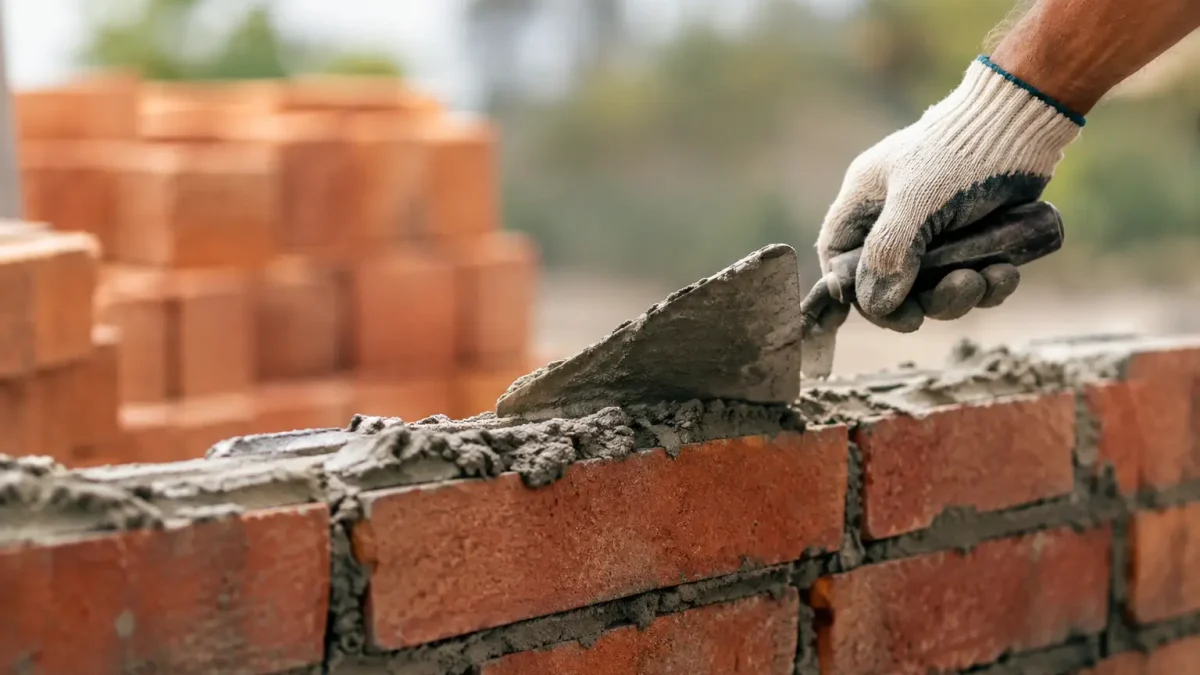
Fresh masonry can look finished long before it is ready for the weather, weight, movement, and daily use that come next. Understanding mortar curing time helps homeowners and property managers protect a new brick wall, stone step, chimney repair, retaining wall, or patio feature from avoidable cracking, staining, and weak joints.
Mortar is not simply a filler between brick, block, or stone. It is a working part of the masonry system. It needs the right conditions to gain strength, bond properly to surrounding materials, and hold up through Pennsylvania’s changing temperatures, rain, humidity, and freeze-thaw cycles.
What Mortar Curing Time Really Means
Mortar curing is the period when the material retains enough moisture and remains protected while the cementitious ingredients hydrate and develop strength. Mortar may become firm to the touch within hours, but that early firmness is not the same as full cure or full service strength.
Most traditional cement-based masonry mortars are generally considered fully cured at about 28 days. That does not mean every project must sit untouched for four weeks. It means the mortar continues gaining meaningful strength over that period, and heavy loading, aggressive cleaning, or exposure to harsh conditions should be managed accordingly.
The exact timeline depends on the mortar type, the masonry material, joint size, weather, moisture conditions, and the demands of the finished structure. A small decorative repair and a new load-bearing wall do not carry the same risks, so they should not be treated the same way.
A Practical Mortar Curing Time Timeline
For the first 24 to 48 hours, fresh mortar is at its most vulnerable. It should be protected from heavy rain, direct sun, strong wind, and freezing temperatures. Rain can wash out joints before they harden. Hot, dry conditions can pull moisture from the mortar too quickly. Cold weather can slow curing dramatically, and freezing can damage mortar before it develops adequate strength.
During the first week, mortar gains a substantial portion of its usable strength. This is still a period for care. Avoid leaning ladders against new masonry, attaching fixtures, putting unusual weight on new steps or walls, or allowing landscape equipment to strike the work. If a project includes caps, coping stones, railings, or other components that add weight or require drilling, the installation plan should account for the cure stage.
By 7 days, properly installed and protected mortar is often much stronger than it was at the start. However, it is still curing. By 28 days, standard mortar has typically reached its intended design strength under favorable conditions. For structural masonry, repairs involving movement concerns, or projects with engineered requirements, the project specifications and professional guidance always take priority over a general timeline.
Weather Can Change the Schedule
On the Main Line and throughout surrounding Southeastern Pennsylvania communities, weather is often the deciding factor in how quickly masonry work can move forward. A mild, damp stretch of spring weather may support steady curing. A July heat wave, a windy fall day, or a cold snap in late winter calls for more protection and closer attention.
Hot and Dry Conditions
Heat and wind can cause mortar to lose water faster than it should. When that happens, the mortar may not develop the bond and strength the installation needs. Masonry professionals may shade the work, use damp coverings when appropriate, adjust working hours, or manage materials differently to prevent rapid drying.
Adding extra water after mortar has begun to stiffen is not a shortcut to better work. It can weaken the mix and create inconsistent joints. The right approach starts with proper mixing, sound installation practices, and weather protection from the beginning.
Cold and Freezing Conditions
Cold weather slows cement hydration. If fresh mortar freezes, the expanding water can disrupt the bond before the mortar has a chance to harden properly. That is why responsible masonry scheduling considers both the temperature during installation and the forecast after the crew leaves.
Cold-weather work can be completed successfully when proper procedures, materials, and protection are used. But there are times when waiting for suitable conditions is the best decision for the long-term result. A contractor focused on quality will not rush masonry just to meet a convenient date on the calendar.
Rain and Excess Moisture
Light moisture can be helpful during curing, but direct rain on newly laid masonry is different. Rain can streak brick and stone, erode fresh joints, or wash mortar onto finished surfaces. Coverings should protect the work while allowing reasonable air circulation. Sealing the masonry under plastic too tightly can trap moisture and create other problems.
How to Protect New Masonry While It Cures
Homeowners can help by giving fresh masonry some space. Keep children, pets, vehicles, and lawn equipment away from new steps, walls, walkways, and repairs during the early curing period. Do not hang planters, install decorations, or pressure wash the area until the contractor confirms it is appropriate.
Avoid applying a sealer immediately after installation unless the product and project conditions specifically call for it. New masonry needs time to release moisture. Applying the wrong product too early may trap moisture, alter the appearance of the surface, or interfere with future performance.
If the project is near landscaping, gutters, or irrigation, make sure water is not constantly pouring onto the fresh work. Proper drainage protects masonry long after the curing period ends. Water that repeatedly enters joints, settles at a wall base, or freezes around steps can shorten the life of even well-built work.
When Can You Use New Brick, Block, or Stone Work?
The answer depends on what “use” means. Walking near a new brick veneer repair is different from mounting a gate to a masonry pier. A decorative garden wall has different demands than a retaining wall or a set of entry steps.
For light activity, a project may be ready relatively soon if the mortar is firm, the weather has been favorable, and the contractor has approved it. For weight-bearing use, drilling, mounting hardware, power washing, or placing heavy items against masonry, more curing time is usually wise. A professional should also evaluate whether the masonry itself, not just the mortar joints, is ready for the next phase of work.
This is especially true with natural stone. Stone shape, thickness, backing, setting method, and joint depth all affect how the finished feature performs. A beautiful surface is only part of the job. Proper support, drainage, bonding, and curing are what help it stay beautiful.
Why Professional Installation Makes the Difference
Mortar curing time begins with the workmanship on installation day. Correct mortar selection, clean materials, proper joint tooling, appropriate mixing, sound moisture management, and weather protection all influence the final result. These details are not extras. They are what separate masonry that merely looks good at first from masonry built to serve the property for years.
At Provato Concrete and Masonry and Grindin LLC, we approach each masonry project with the care it deserves, from preparation through final cleanup. If you are planning brickwork, stonework, steps, walls, or a repair that needs to perform as well as it looks, schedule an estimate online and get clear guidance for your property before the work begins.
A little patience during curing protects a major investment. Give new masonry the conditions it needs now, and it will be better prepared for the seasons ahead.